


A Deep Dive into Vintage BMW Diagnostic Equipment: From Sun 2013 to GT1

Electronic fuel injection truly allows for wonders. The true progenitor of computerized diagnostics was the United States. And not just to simplify fault-finding, but to improve environmental standards. The concept is very simple: a properly functioning car has cleaner emissions than one with a faulty intake air temperature sensor. Although the BMW Group wasn't the first to dive into computerized diagnostics, they made a significant contribution to its development.
While in 2025 people are still mass-deleting catalytic converters, back in the late 1970s, the USA introduced the OBD1 self-diagnosis standard, which was replaced by OBD2 closer to the 90s. And it wasn't until near the turn of the millennium that OBD2 finally made its way to Europe. But all these years, the Bavarians weren't lagging behind, having developed their own diagnostic self-diagnosis protocol (ADS) and their own diagnostic software (DIS) and hardware as early as the 1980s.
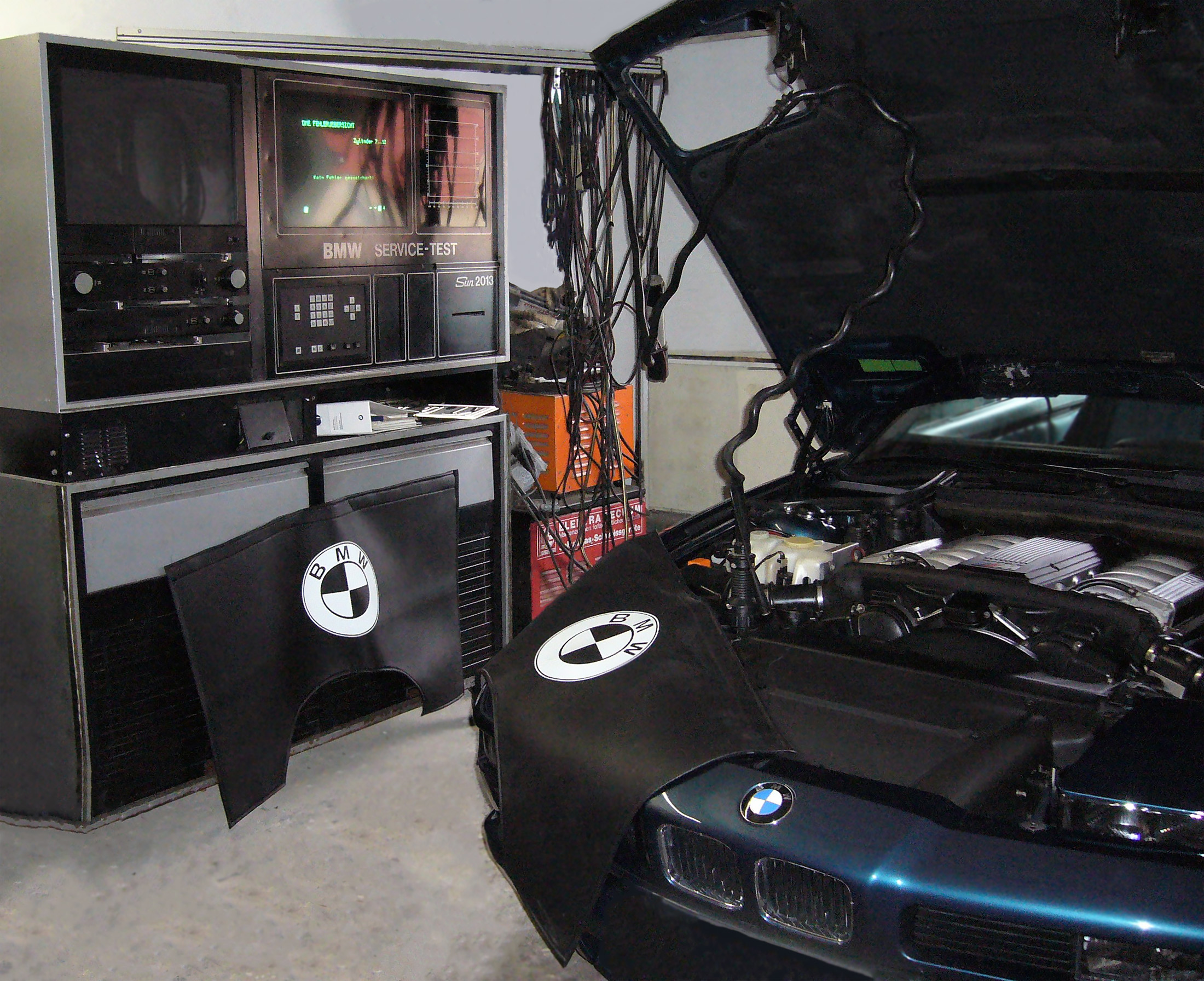
With the launch of the E32 chassis in 1987, all engine control units began to be produced with the capability for computerized diagnostics and coding, and official dealerships were flooded with diagnostic equipment.
It all started with the BMW Service-Test Sun 2013. This was an entire diagnostic equipment complex, following the "100-in-1" concept. It housed: DIS, a multimeter, an oscilloscope, a gas analyzer, a power supply for charging car batteries, and a printer.
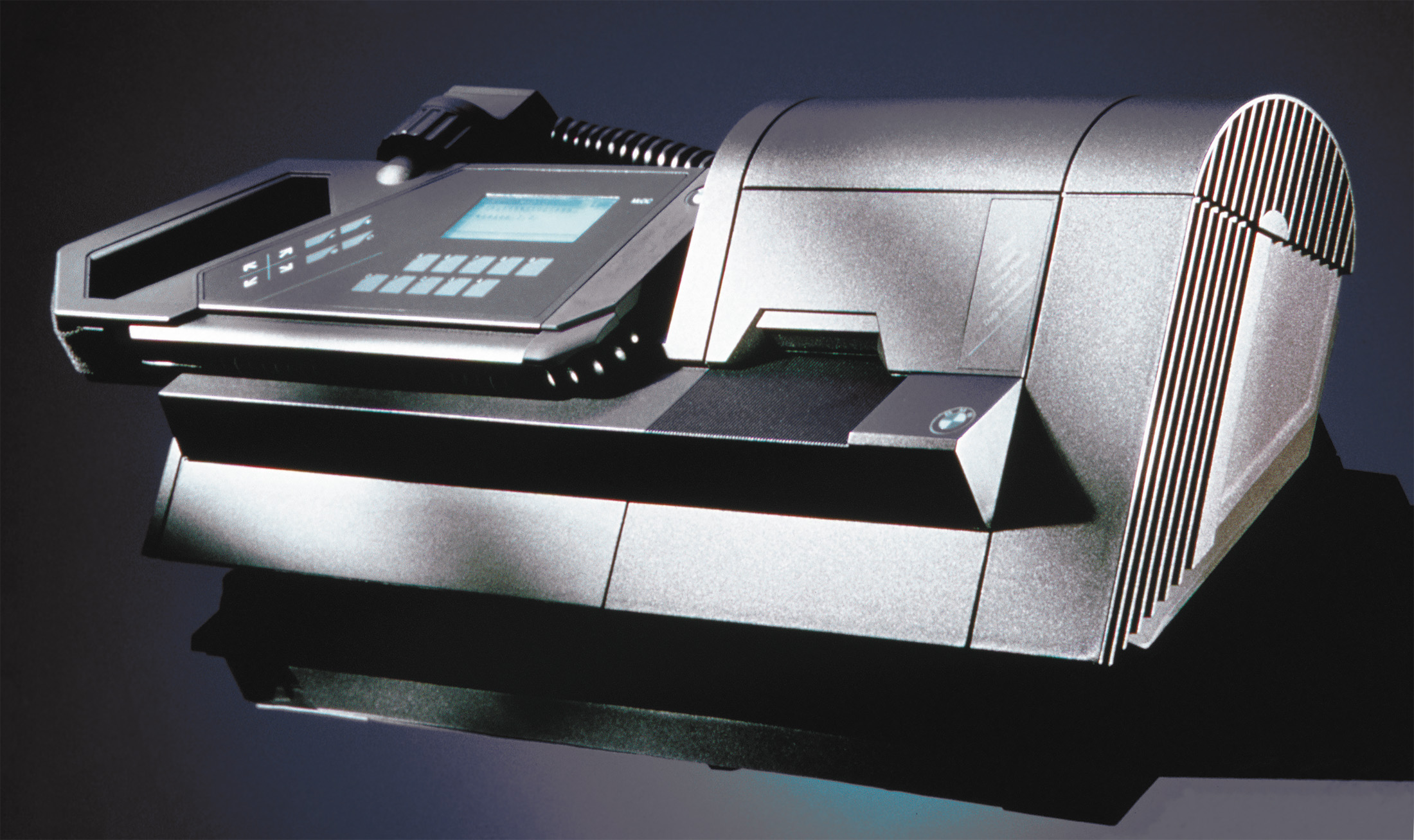
The BMW Service-Test was good, but it was still a huge cabinet. Therefore, in 1990, the Mobile Diagnostic Computer (MoDiC) appeared. The lead industrial designer was Dieter Wojciechowski from N+P Innovation Design GmbH.
It was eventually replaced by the MoDiC II with a similar exterior design. The BMW Service-Test could be used as a docking station for both the first and second MoDiC. The last relevant software version for all three devices is DIS v13.
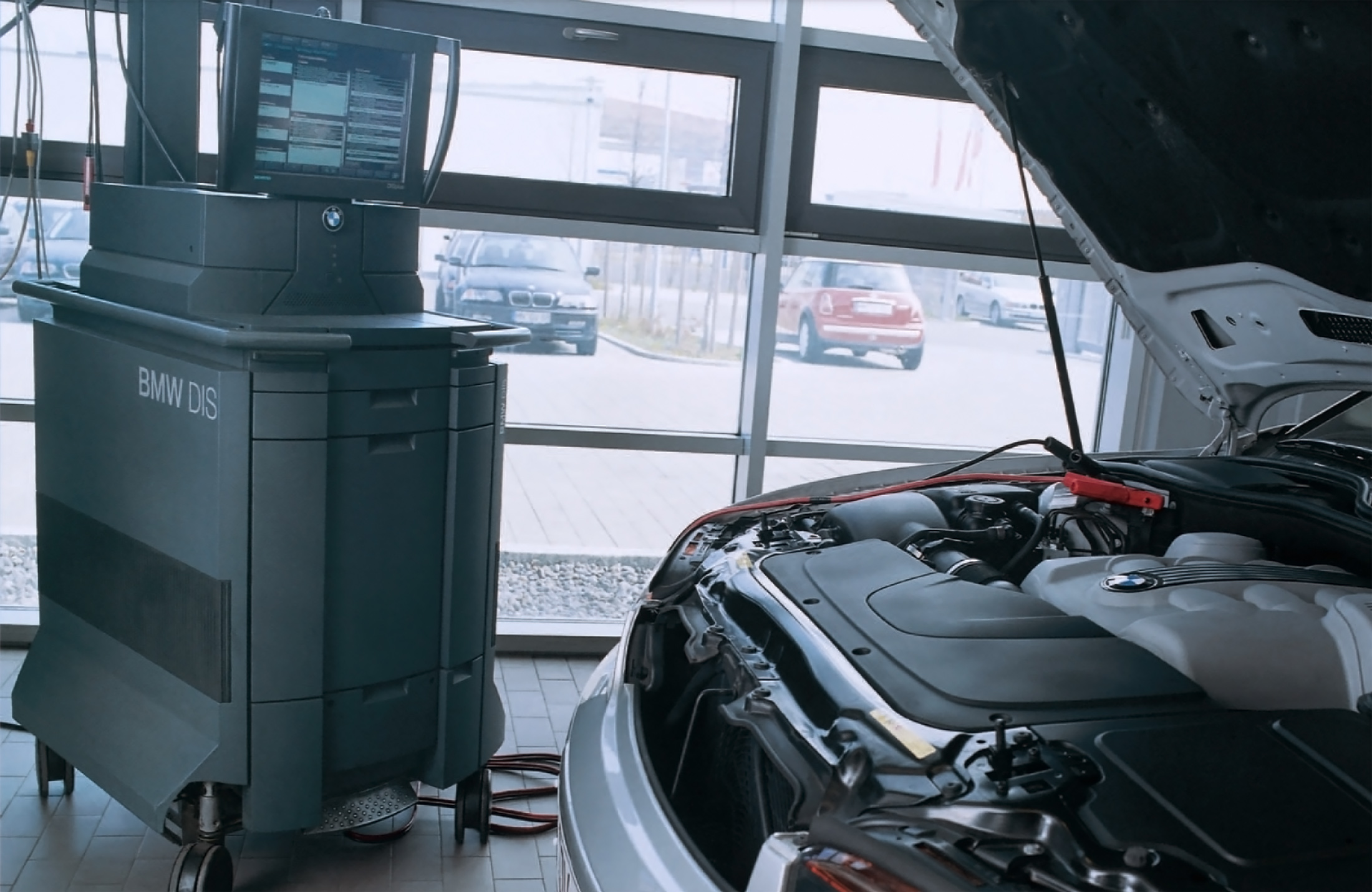
In 1992, BMW decided to update the BMW Service-Test and released BMW DIS as a new stationary diagnostic complex. The designer was still the same N+P, and the guys from Siemens were responsible for manufacturing. It featured DIS, TIS, an oscilloscope, a multimeter, and a battery charging power supply, but most importantly — it was no longer a cabinet.
In 2000, it was replaced by BMW DISPlus with an almost identical look and functionality. The latter, in turn, turned out to be very successful; to this day, you can easily find specimens in good condition. The last relevant software version is DIS v57.
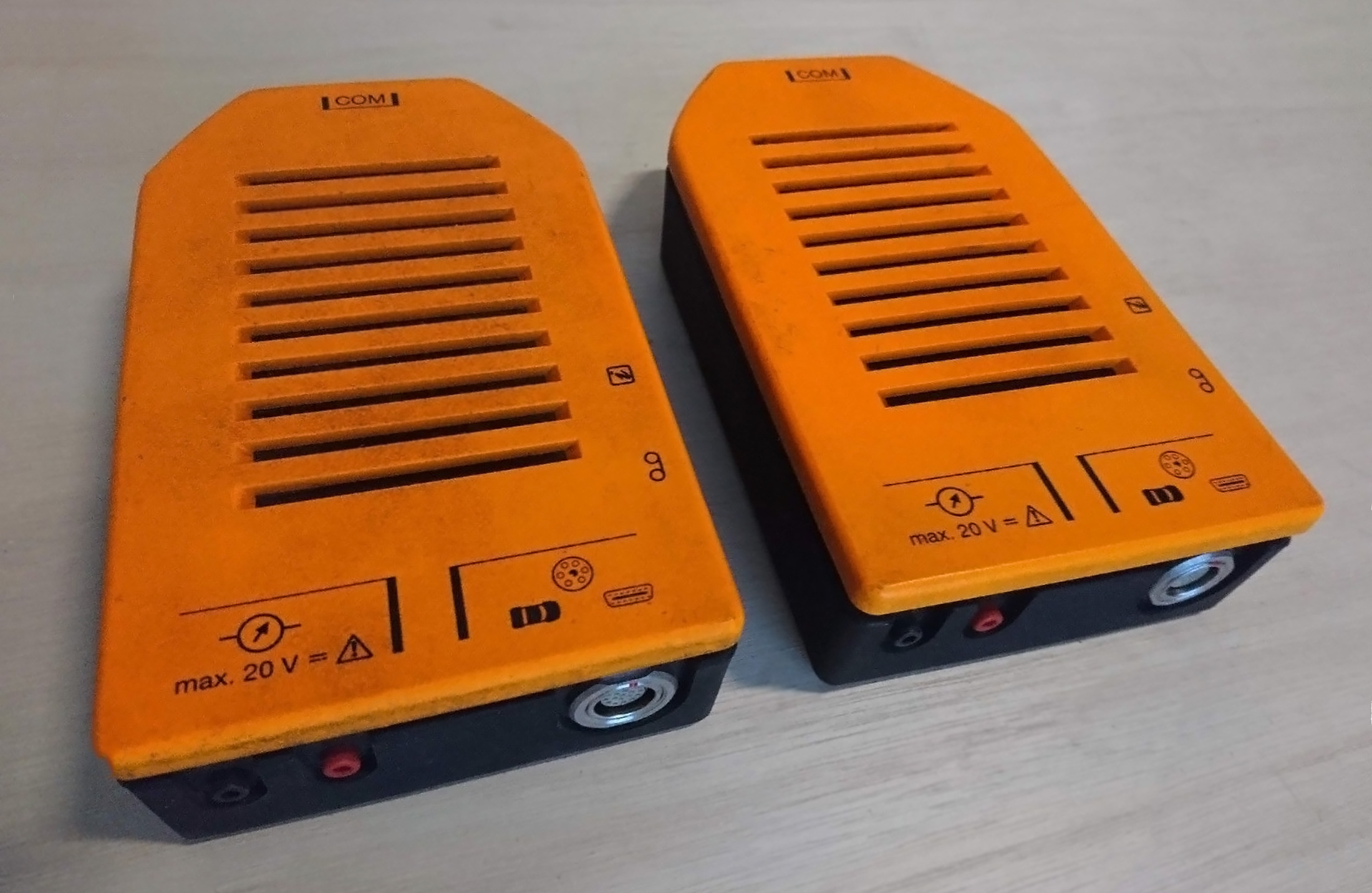
Over time, computerized diagnostics, coding, and programming advanced to the point where the small monochrome display of the MoDiC II was simply insufficient for comfortable work with newer chassis. Therefore, in 1997, the MoDiC III was released in a tablet form factor with a huge color touchscreen. This device also marks the separation of the diagnostic interface into a separate unit, the orange head, manufactured by the firm Kontron, based on a client—server architecture.
The device wasn't the most successful. There's little information about it, and finding working specimens for sale is practically impossible. The last relevant software version is DIS v30.
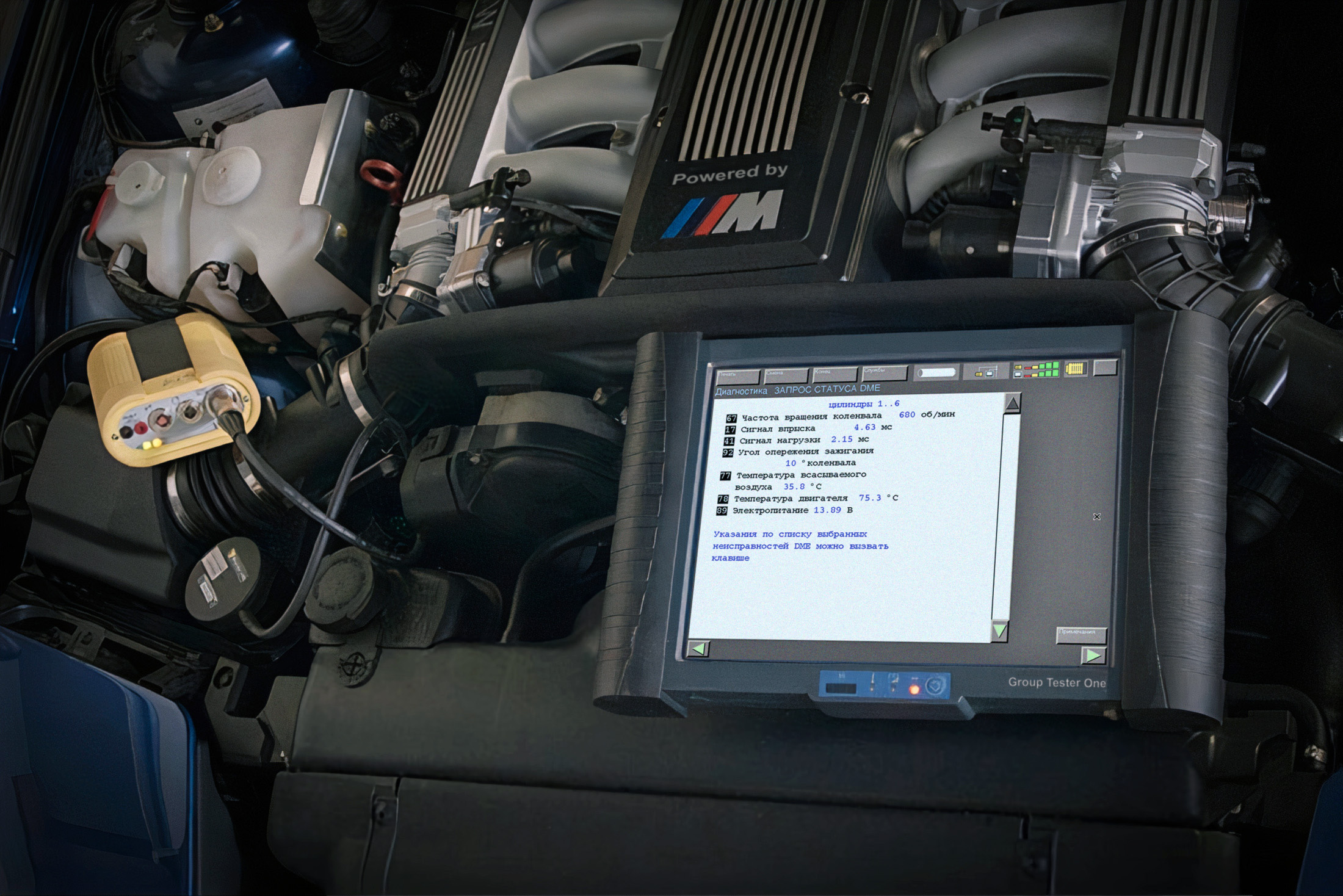
In 2002, the gold standard of diagnostic equipment was released — the Group Tester One (GT1) complex. It can't be called a MoDiC 4, as the name itself suggests — it uses the "100 functions in 1 device" concept. The GT1 was meant to replace all previous diagnostic solutions.
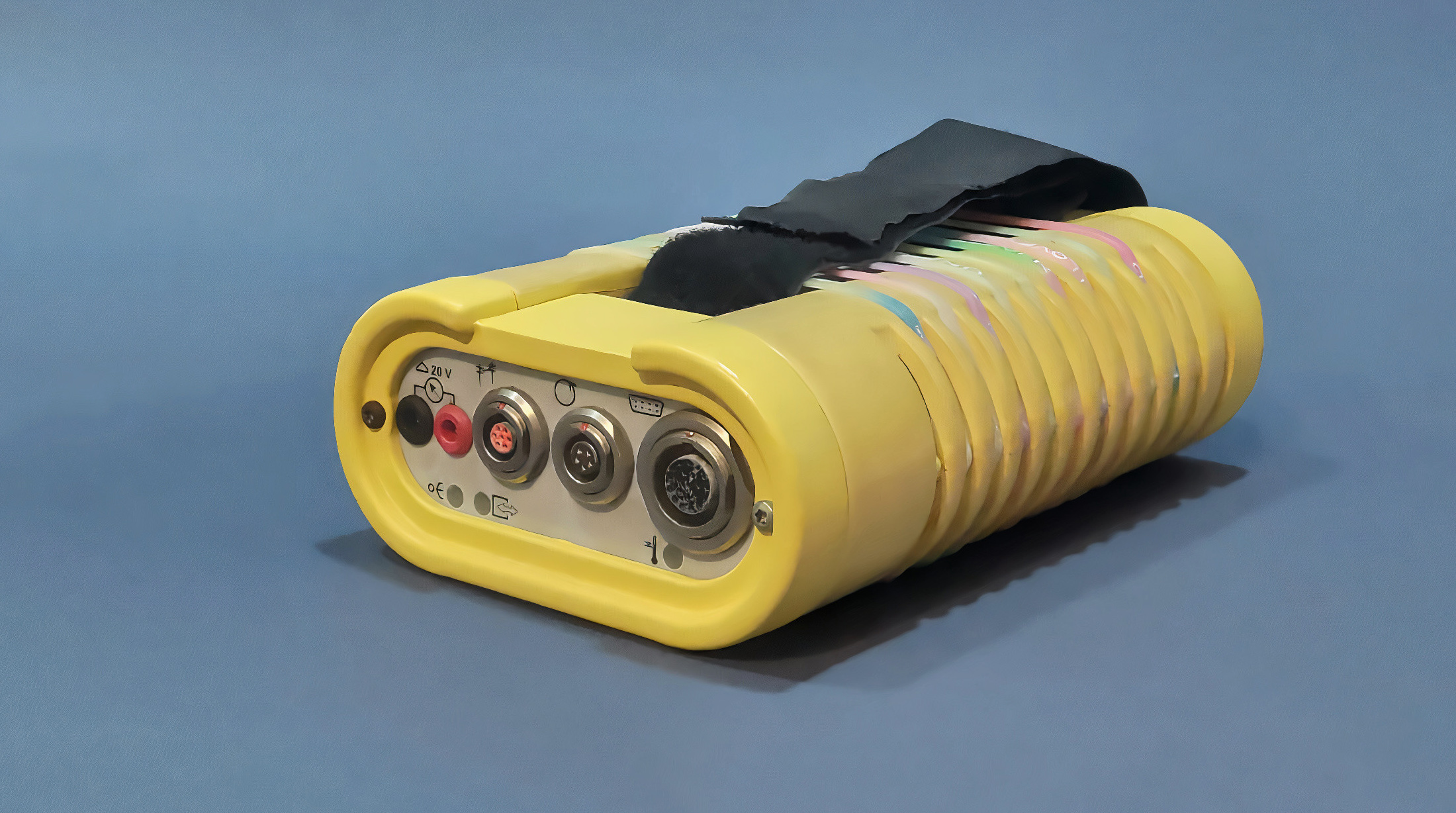
Its functionality is similar to the stationary DISPlus complex, with the multimeter and oscilloscope housed in a separate measurement block. The GT1 also introduced an updated remote diagnostic interface, the yellow EDIC head, working examples of which can still be easily purchased today.
Manufacturing was handled by Siemens, which, on a similar platform, produced diagnostic complexes for other brands as well, for example, the VAS 5052. The last relevant software version is DIS v57.
All subsequent diagnostic solutions do not support older chassis and therefore will not be considered.