


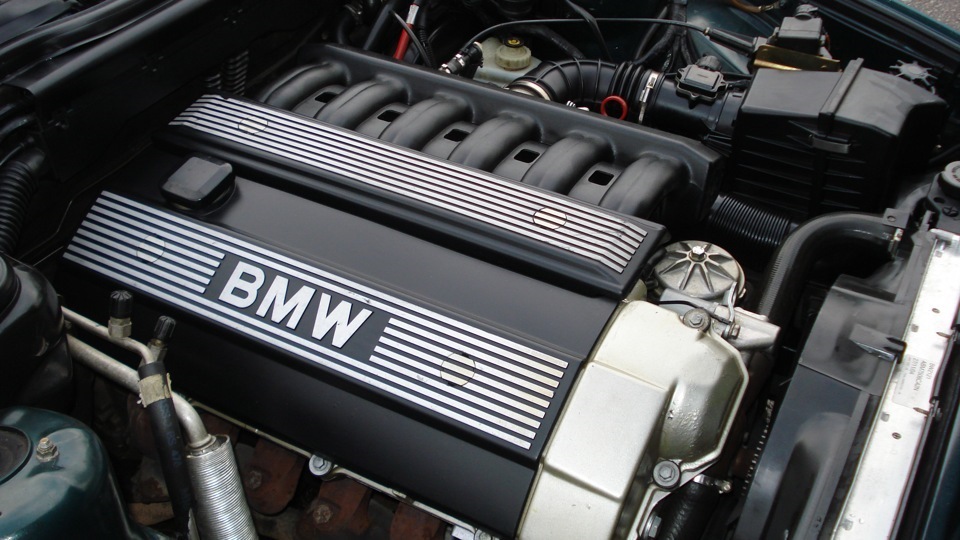
Documentation for BMW M50B20, M50B20TU (VANOS) Engines with Siemens DME MS40.0, MS40.1
Fault Code List and Descriptions

Explanation:
Information was stored in the fault memory for an unknown reason. If no negative effects are detected in the system, the fault can be ignored.
Consequences in case of fault:
The fault is only recognized when engine temperature is above 85 °C. If the fault is recognized, fuel injection for the corresponding cylinder is deactivated until the fault is eliminated.
Select fault type:
1 Spark duration too long;
Troubleshooting:
— Check voltage at spark plug electrodes using a static ignition system distribution adapter (measure voltage in the secondary winding);
— Check spark plug (electrode gap, absence of a carbon bridge), replace if necessary;
— Check for battery voltage at the ignition coil.
ECU power supply: **** V
If necessary, restore connection of terminal 15 in the wiring harness.
2 Spark duration too short;
Troubleshooting:
Connect the ignition coil from another cylinder to this cylinder. Clear the fault memory, then perform a test drive with heavy acceleration. During the test drive, engine temperature must be > 85 °C, otherwise fault logging is not performed.
Does the fault disappear with the ignition coil disconnected?
YES:
— Replace the faulty ignition coil.
NO:
— Perform a leak test on the intake tract, crankcase, and exhaust system. Seal any leaks if necessary.
3 No ignition spark.
Troubleshooting:
Check voltage in the primary circuit of the ignition coil:
— Disconnect the connector from the ignition coil and connect the primary circuit adapter only to the wiring harness!;
— Connect a test lamp between terminals 1 and 15;
— Start the engine.
Test lamp does not flash:
— Check terminals 15 and 1 on the primary circuit adapter (power supply voltage, check continuity of connectors and wires).
Test lamp flashes:
— Connect the test lamp to the ignition coil only!.
Check continuity between terminals 15 and 1. Replace ignition coil if necessary.
Check resistance of wire 4a to ground between the ignition coil and the ground connection on the cylinder head:
— DME system MS40.0/MS40.1 and M3.3.1 specified value: 220 - 260 Ω.
— DME system 3.1 specified value: 0 Ω.
Check voltage at spark plug electrodes using a static ignition system distribution adapter (comparison between cylinders).
Check spark plug (electrode gap and insulator).
Check spark plug boot (oil contamination, damage).
If oil contaminated:
— Eliminate the cause of oil contamination.
Consequences in case of fault:
The fault is only recognized when engine temperature is above 85 °C. If the fault is recognized, fuel injection for the corresponding cylinder is deactivated until the fault is eliminated.
Select fault type:
1 Spark duration too long;
Troubleshooting:
— Check voltage at spark plug electrodes using a static ignition system distribution adapter (measure voltage in the secondary winding);
— Check spark plug (electrode gap, absence of a carbon bridge), replace if necessary;
— Check for battery voltage at the ignition coil.
ECU power supply: **** V
If necessary, restore connection of terminal 15 in the wiring harness.
2 Spark duration too short;
Troubleshooting:
Connect the ignition coil from another cylinder to this cylinder. Clear the fault memory, then perform a test drive with heavy acceleration. During the test drive, engine temperature must be > 85 °C, otherwise fault logging is not performed.
Does the fault disappear with the ignition coil disconnected?
YES:
— Replace the faulty ignition coil.
NO:
— Perform a leak test on the intake tract, crankcase, and exhaust system. Seal any leaks if necessary.
3 No ignition spark.
Troubleshooting:
Check voltage in the primary circuit of the ignition coil:
— Disconnect the connector from the ignition coil and connect the primary circuit adapter only to the wiring harness!;
— Connect a test lamp between terminals 1 and 15;
— Start the engine.
Test lamp does not flash:
— Check terminals 15 and 1 on the primary circuit adapter (power supply voltage, check continuity of connectors and wires).
Test lamp flashes:
— Connect the test lamp to the ignition coil only!.
Check continuity between terminals 15 and 1. Replace ignition coil if necessary.
Check resistance of wire 4a to ground between the ignition coil and the ground connection on the cylinder head:
— DME system MS40.0/MS40.1 and M3.3.1 specified value: 220 - 260 Ω.
— DME system 3.1 specified value: 0 Ω.
Check voltage at spark plug electrodes using a static ignition system distribution adapter (comparison between cylinders).
Check spark plug (electrode gap and insulator).
Check spark plug boot (oil contamination, damage).
If oil contaminated:
— Eliminate the cause of oil contamination.
Consequences in case of fault:
The fault is only recognized when engine temperature is above 85 °C. If the fault is recognized, fuel injection for the corresponding cylinder is deactivated until the fault is eliminated.
Select fault type:
1 Spark duration too long;
Troubleshooting:
— Check voltage at spark plug electrodes using a static ignition system distribution adapter (measure voltage in the secondary winding);
— Check spark plug (electrode gap, absence of a carbon bridge), replace if necessary;
— Check for battery voltage at the ignition coil.
ECU power supply: **** V
If necessary, restore connection of terminal 15 in the wiring harness.
2 Spark duration too short;
Troubleshooting:
Connect the ignition coil from another cylinder to this cylinder. Clear the fault memory, then perform a test drive with heavy acceleration. During the test drive, engine temperature must be > 85 °C, otherwise fault logging is not performed.
Does the fault disappear with the ignition coil disconnected?
YES:
— Replace the faulty ignition coil.
NO:
— Perform a leak test on the intake tract, crankcase, and exhaust system. Seal any leaks if necessary.
3 No ignition spark.
Troubleshooting:
Check voltage in the primary circuit of the ignition coil:
— Disconnect the connector from the ignition coil and connect the primary circuit adapter only to the wiring harness!;
— Connect a test lamp between terminals 1 and 15;
— Start the engine.
Test lamp does not flash:
— Check terminals 15 and 1 on the primary circuit adapter (power supply voltage, check continuity of connectors and wires).
Test lamp flashes:
— Connect the test lamp to the ignition coil only!.
Check continuity between terminals 15 and 1. Replace ignition coil if necessary.
Check resistance of wire 4a to ground between the ignition coil and the ground connection on the cylinder head:
— DME system MS40.0/MS40.1 and M3.3.1 specified value: 220 - 260 Ω.
— DME system 3.1 specified value: 0 Ω.
Check voltage at spark plug electrodes using a static ignition system distribution adapter (comparison between cylinders).
Check spark plug (electrode gap and insulator).
Check spark plug boot (oil contamination, damage).
If oil contaminated:
— Eliminate the cause of oil contamination.
Consequences in case of fault:
— In case of open circuit: no injection in the corresponding cylinder;
— In case of short to ground: prolonged injection in the corresponding cylinder.
Possible causes of fault:
— Injector (coil) or wiring faulty;
— Open circuit in the injector power supply;
— Output stage in the ECU faulty.
Troubleshooting:
— Activate components;
— Check wiring;
— Check injector resistance.
Specified resistance value: 12-18 Ω.
Consequences in case of fault:
— In case of open circuit: no injection in the corresponding cylinder;
— In case of short to ground: prolonged injection in the corresponding cylinder.
Possible causes of fault:
— Injector (coil) or wiring faulty;
— Open circuit in the injector power supply;
— Output stage in the ECU faulty.
Troubleshooting:
— Activate components;
— Check wiring;
— Check injector resistance.
Specified resistance value: 12 - 18 Ω.
Nope!
Nope!
Nope!
Nope!
Consequences in case of fault:
— In case of open circuit: no injection in the corresponding cylinder;
— In case of short to ground: prolonged injection in the corresponding cylinder.
Possible causes of fault:
— Injector (coil) or wiring faulty;
— Open circuit in the injector power supply;
— Output stage in the ECU faulty.
Troubleshooting:
— Activate components;
— Check wiring;
— Check injector resistance.
Specified resistance value: 12 - 18 Ω.
Consequences in case of fault:
— In case of open circuit: no injection in the corresponding cylinder;
— In case of short to ground: prolonged injection in the corresponding cylinder.
Possible causes of fault:
— Injector (coil) or wiring faulty;
— Open circuit in the injector power supply;
— Output stage in the ECU faulty.
Troubleshooting:
— Activate components;
— Check wiring;
— Check injector resistance.
Specified resistance value: 12 - 18 Ω.
Nope!
Consequences in case of fault:
— In case of open circuit: activation of the solenoid valve is not possible;
— In case of short to ground: constant activation of the solenoid valve, engine stalls at idle.
Possible causes of fault:
— Open circuit in the wire between the control unit and the solenoid valve;
— Short to ground in the wire between the control unit and the solenoid valve;
— Open circuit in the power supply to the solenoid valve;
— Open circuit in the solenoid valve coil.
Check:
— Activate component with engine at idle;
— Check wiring in the harness;
— Check resistance of the solenoid valve.
Specified solenoid valve resistance: approx. 23 Ω.
Caution, do not reverse polarity!
Nope!
Consequences in case of fault:
The fault is only recognized when engine temperature is above 85 °C. If the fault is recognized, fuel injection for the corresponding cylinder is deactivated until the fault is eliminated.
Select fault type:
1 Spark duration too long;
Troubleshooting:
— Check voltage at spark plug electrodes using a static ignition system distribution adapter (measure voltage in the secondary winding);
— Check spark plug (electrode gap, absence of a carbon bridge), replace if necessary;
— Check for battery voltage at the ignition coil.
ECU power supply: **** V
If necessary, restore connection of terminal 15 in the wiring harness.
2 Spark duration too short;
Troubleshooting:
Connect the ignition coil from another cylinder to this cylinder. Clear the fault memory, then perform a test drive with heavy acceleration. During the test drive, engine temperature must be > 85 °C, otherwise fault logging is not performed.
Does the fault disappear with the ignition coil disconnected?
YES:
— Replace the faulty ignition coil.
NO:
— Perform a leak test on the intake tract, crankcase, and exhaust system. Seal any leaks if necessary.
3 No ignition spark.
Troubleshooting:
Check voltage in the primary circuit of the ignition coil:
— Disconnect the connector from the ignition coil and connect the primary circuit adapter only to the wiring harness!;
— Connect a test lamp between terminals 1 and 15;
— Start the engine.
Test lamp does not flash:
— Check terminals 15 and 1 on the primary circuit adapter (power supply voltage, check continuity of connectors and wires).
Test lamp flashes:
— Connect the test lamp to the ignition coil only!.
Check continuity between terminals 15 and 1. Replace ignition coil if necessary.
Check resistance of wire 4a to ground between the ignition coil and the ground connection on the cylinder head:
— DME system MS40.0/MS40.1 and M3.3.1 specified value: 220 - 260 Ω.
— DME system 3.1 specified value: 0 Ω.
Check voltage at spark plug electrodes using a static ignition system distribution adapter (comparison between cylinders).
Check spark plug (electrode gap and insulator).
Check spark plug boot (oil contamination, damage).
If oil contaminated:
— Eliminate the cause of oil contamination.
Consequences in case of fault:
The fault is only recognized when engine temperature is above 85 °C. If the fault is recognized, fuel injection for the corresponding cylinder is deactivated until the fault is eliminated.
Select fault type:
1 Spark duration too long;
Troubleshooting:
— Check voltage at spark plug electrodes using a static ignition system distribution adapter (measure voltage in the secondary winding);
— Check spark plug (electrode gap, absence of a carbon bridge), replace if necessary;
— Check for battery voltage at the ignition coil.
ECU power supply: **** V
If necessary, restore connection of terminal 15 in the wiring harness.
2 Spark duration too short;
Troubleshooting:
Connect the ignition coil from another cylinder to this cylinder. Clear the fault memory, then perform a test drive with heavy acceleration. During the test drive, engine temperature must be > 85 °C, otherwise fault logging is not performed.
Does the fault disappear with the ignition coil disconnected?
YES:
— Replace the faulty ignition coil.
NO:
— Perform a leak test on the intake tract, crankcase, and exhaust system. Seal any leaks if necessary.
3 No ignition spark.
Troubleshooting:
Check voltage in the primary circuit of the ignition coil:
— Disconnect the connector from the ignition coil and connect the primary circuit adapter only to the wiring harness!;
— Connect a test lamp between terminals 1 and 15;
— Start the engine.
Test lamp does not flash:
— Check terminals 15 and 1 on the primary circuit adapter (power supply voltage, check continuity of connectors and wires).
Test lamp flashes:
— Connect the test lamp to the ignition coil only!.
Check continuity between terminals 15 and 1. Replace ignition coil if necessary.
Check resistance of wire 4a to ground between the ignition coil and the ground connection on the cylinder head:
— DME system MS40.0/MS40.1 and M3.3.1 specified value: 220 - 260 Ω.
— DME system 3.1 specified value: 0 Ω.
Check voltage at spark plug electrodes using a static ignition system distribution adapter (comparison between cylinders).
Check spark plug (electrode gap and insulator).
Check spark plug boot (oil contamination, damage).
If oil contaminated:
— Eliminate the cause of oil contamination.
Consequences in case of fault:
The fault is only recognized when engine temperature is above 85 °C. If the fault is recognized, fuel injection for the corresponding cylinder is deactivated until the fault is eliminated.
Select fault type:
1 Spark duration too long;
Troubleshooting:
— Check voltage at spark plug electrodes using a static ignition system distribution adapter (measure voltage in the secondary winding);
— Check spark plug (electrode gap, absence of a carbon bridge), replace if necessary;
— Check for battery voltage at the ignition coil.
ECU power supply: **** V
If necessary, restore connection of terminal 15 in the wiring harness.
2 Spark duration too short;
Troubleshooting:
Connect the ignition coil from another cylinder to this cylinder. Clear the fault memory, then perform a test drive with heavy acceleration. During the test drive, engine temperature must be > 85 °C, otherwise fault logging is not performed.
Does the fault disappear with the ignition coil disconnected?
YES:
— Replace the faulty ignition coil.
NO:
— Perform a leak test on the intake tract, crankcase, and exhaust system. Seal any leaks if necessary.
3 No ignition spark.
Troubleshooting:
Check voltage in the primary circuit of the ignition coil:
— Disconnect the connector from the ignition coil and connect the primary circuit adapter only to the wiring harness!;
— Connect a test lamp between terminals 1 and 15;
— Start the engine.
Test lamp does not flash:
— Check terminals 15 and 1 on the primary circuit adapter (power supply voltage, check continuity of connectors and wires).
Test lamp flashes:
— Connect the test lamp to the ignition coil only!.
Check continuity between terminals 15 and 1. Replace ignition coil if necessary.
Check resistance of wire 4a to ground between the ignition coil and the ground connection on the cylinder head:
— DME system MS40.0/MS40.1 and M3.3.1 specified value: 220 - 260 Ω.
— DME system 3.1 specified value: 0 Ω.
Check voltage at spark plug electrodes using a static ignition system distribution adapter (comparison between cylinders).
Check spark plug (electrode gap and insulator).
Check spark plug boot (oil contamination, damage).
If oil contaminated:
— Eliminate the cause of oil contamination.
Consequences in case of fault:
— In case of open circuit: no injection in the corresponding cylinder;
— In case of short to ground: prolonged injection in the corresponding cylinder.
Possible causes of fault:
— Injector (coil) or wiring faulty;
— Open circuit in the injector power supply;
— Output stage in the ECU faulty.
Troubleshooting:
— Activate components;
— Check wiring;
— Check injector resistance.
Specified resistance value: 12 - 18 Ω.
Nope!
Consequences in case of fault:
— In case of open circuit: no injection in the corresponding cylinder;
— In case of short to ground: prolonged injection in the corresponding cylinder.
Possible causes of fault:
— Injector (coil) or wiring faulty;
— Open circuit in the injector power supply;
— Output stage in the ECU faulty.
Troubleshooting:
— Activate components;
— Check wiring;
— Check injector resistance.
Specified resistance value: 12 - 18 Ω.
Consequences in case of fault:
— If open circuit: tank ventilation valve always open, loss of idle smoothness, poor starting parameters;
— If short to ground: tank ventilation valve always closed, breakthrough of activated charcoal filter, gasoline smell.
Possible causes of fault:
— Open circuit in wire from control unit to tank ventilation valve;
— Short to ground in wire from control unit to tank ventilation valve;
— Open circuit in power supply to tank ventilation valve;
— Open circuit in tank ventilation valve coil.
Check:
— Activate component;
— Wiring in harness;
— Check resistance of tank ventilation valve.
Tank ventilation valve resistance: approx. 45 Ω.
Nope!
Consequences in case of fault:
— No oxygen sensor heating;
— Constant oxygen sensor heating;
— Under certain circumstances, possible secondary fault: oxygen sensor voltage or mixture control with oxygen sensor.
Possible causes of fault:
— Open circuit in heater wire from control unit to oxygen sensor;
— Short to ground in heater wire from control unit to oxygen sensor;
— Open circuit in oxygen sensor heater circuit.
Check:
— Check wiring in harness;
— Check resistance of oxygen sensor heater circuit.
Specified resistance value: approx. 4.5 Ω (at room temperature).
Nope!
Nope!
Nope!
Consequences in case of fault:
— Emergency mode with equivalent value using throttle potentiometer (possibly also with oxygen sensor).
Possible causes of fault:
— Mechanical damage;
— Idle air control valve opened too wide;
— Idle air control valve closed;
— Open circuit in ground wire between air mass meter and control unit.
Check:
— Request status at idle (air mass meter signal approx. 14 — 22 kg/h);
— Check signal wire between air mass meter and control unit;
— Request status (specified value: air mass meter ground connection OK).
Nope!
Consequences in case of fault:
— Emergency mode with equivalent value based on air mass meter readings.
Possible causes of fault:
— Open circuit in supply line from control unit to potentiometer;
— Short to positive in supply line from control unit to potentiometer;
— Open circuit in sensor wire from potentiometer to control unit;
— Short to positive in sensor wire from potentiometer to control unit;
— Open circuit in potentiometer;
— Short between sensor wire and ground wire from potentiometer to control unit;
— Fault in power supply from control unit.
Check:
— Request status at idle (specified value approx. 0.5 V);
— Check wiring in harness;
— Check potentiometer resistance between pins 1 and 3 (specified value approx. 4.6 kΩ);
— Check potentiometer resistance between pins 3 and 2;
— Measure voltage at pin 73 of control unit (specified value approx. 5 V).
Consequences in case of fault:
— Emergency mode using camshaft position sensor;
— Imprecise knock control;
— VANOS system inoperative.
Possible causes of fault:
— Distance between sensor wheel (pulley) and crankshaft sensor out of tolerance;
— Radial runout of crankshaft position sensor wheel (pulley);
— Open circuit or short circuit in wires between crankshaft sensor and control unit;
— Connecting wire from crankshaft sensor faulty (insulation wear);
— Sensor faulty.
Check:
— Distance between sensor wheel (pulley) and crankshaft position sensor;
— Absence of radial runout of crankshaft position sensor wheel (pulley);
— Check resistance of crankshaft position sensor windings.
Crankshaft sensor winding resistance between pins 1 and 2: approx. 12.4 Ω.
Resistance between pins 3 and 2: approx. 0.4 Ω.
Consequences in case of fault:
— Emergency mode with equivalent value;
— Starting difficulties.
Possible causes of fault:
— Open circuit in sensor wires from sensor to control unit;
— Short to positive in sensor wires from sensor to control unit;
— Sensor faulty.
Check:
— Request status;
— Check wiring in harness.
Consequences in case of fault:
— Emergency mode using crankshaft position sensor;
— Double ignition;
— Simultaneous injection;
— Knock control system inoperative;
— VANOS system inoperative.
Possible causes of fault:
— Incorrect installation of sensor wheel on camshaft;
— Open circuit or short circuit in wires between sensor and control unit;
— Sensor faulty.
Check:
— Request camshaft position status at idle;
— Check wiring in harness;
— Check sensor winding resistance.
Resistance between pins 1 and 2: approx. 12.4 Ω.
Resistance between pins 3 and 2: approx. 0.4 Ω.
Nope!
Nope!
Nope!
Consequences in case of fault:
— Mixture control with oxygen sensor not possible.
Possible causes of fault:
This fault is stored in the fault memory if the limit of mixture control with the oxygen sensor has been reached, and no other faults affecting the mixture have been recognized.
In this case, the DME system is unable to maintain the mixture within the control range of the oxygen sensor.
Check:
Possible causes of excessively rich mixture:
— Fuel supply pressure too high;
— Faulty or coked injectors;
— Output value from engine temperature sensor too low;
— Incomplete combustion (ignition, intake/exhaust valves, compression not in order);
— Clogged air filter.
Possible causes of excessively lean mixture:
— Vehicle stopped due to lack of fuel;
— Fuel supply pressure too low;
— Faulty or coked injectors;
— Output value from engine temperature sensor too high;
— Air leaks through leaks in the intake system or exhaust system;
— Leaks in the fuel tank ventilation system.
Nope!
Consequences in case of fault:
— Mixture control with oxygen sensor not possible.
Possible causes of fault:
This fault is stored in the fault memory if the limit of mixture control with the oxygen sensor has been reached, and no other faults affecting the mixture have been recognized.
In this case, the DME system is unable to maintain the mixture within the control range of the oxygen sensor.
Check:
Possible causes of excessively rich mixture:
— Fuel supply pressure too high;
— Faulty or coked injectors;
— Output value from engine temperature sensor too low;
— Incomplete combustion (ignition, intake/exhaust valves, compression not in order);
— Clogged air filter.
Possible causes of excessively lean mixture:
— Vehicle stopped due to lack of fuel;
— Fuel supply pressure too low;
— Faulty or coked injectors;
— Output value from engine temperature sensor too high;
— Air leaks through leaks in the intake system or exhaust system;
— Leaks in the fuel tank ventilation system.
Nope!
Nope!
Nope!
Nope!
Consequences in case of fault:
— Variable intake camshaft timing does not correspond to specified value;
— Poor idle parameters.
Check:
— Activate component with engine at idle.
Live Data and Reference Parameters
18 Engine speed: 700 rpm (± 20)
— Actual value.
90 Ignition timing cylinder 1: **** ° crankshaft angle
MS40.0 — 10.1 ° crankshaft angle (± 2°)
MS40.1 — 7.1 ° crankshaft angle (± 3°)
— Actual value.
68 Air mass meter signal: 11 kg/h (± 2)
— Actual value.
114 Injection signal cylinder 1: 3.5 ms (± 0.3)
— Specified value.
85 Intake air temperature: 40 - 60 °C (depending on ambient temperature)
— Actual value.
81 Engine temperature: 88 - 92 °C
— Actual value.
53 Oxygen sensor heater: 60 - 100%
— Specified value.
91 Mixture control with oxygen sensor: ON.
— Specified value.
73 Oxygen sensor voltage: 0 - 5 V
— Actual value.
77 Throttle valve:
position: Idle
potentiometer: 0.6 V (± 0.1)
angle: 0 °
— Actual value.
97 Knock control system: ****
— Specified value.
98 Acceleration enrichment: ****
— Specified value.
51 Fuel tank ventilation: ****
— Specified value.
89 Electrical system voltage: 14 V (± 0.5)
— Actual value.
12 Vehicle speed: **** km/h
— Actual value.
62 Ignition circuit feedback signal: normal
— Actual value.
69 Air mass meter ground connection: normal
— Actual value.
111 A/C compressor cut-out: ****
— Specified value.
9 A/C compressor: ****
— Specified value.
10 Air conditioning: ****
— Actual value.
14 Ignition timing intervention: ****
— Specified value.
8 Driving position: ****
— Actual value.
Activation of Components/Actuators
23 Injector cylinder 1
50 Injector cylinder 2
22 Injector cylinder 3
6 Injector cylinder 4
33 Injector cylinder 5
5 Injector cylinder 6
27 Idle air control valve
51 Tank ventilation valve
52 Fuel pump relay
24 A/C compressor cut-out relay
25 Variable Camshaft Timing (VANOS) system
Variable Camshaft Timing (VANOS) system (activation for 10 seconds).
The Variable Camshaft Timing (VANOS) system is OK if during activation:
— the engine stalls;
— or idle stability is noticeably disturbed.
If not OK:
— for further checks, refer to the Repair Manual.